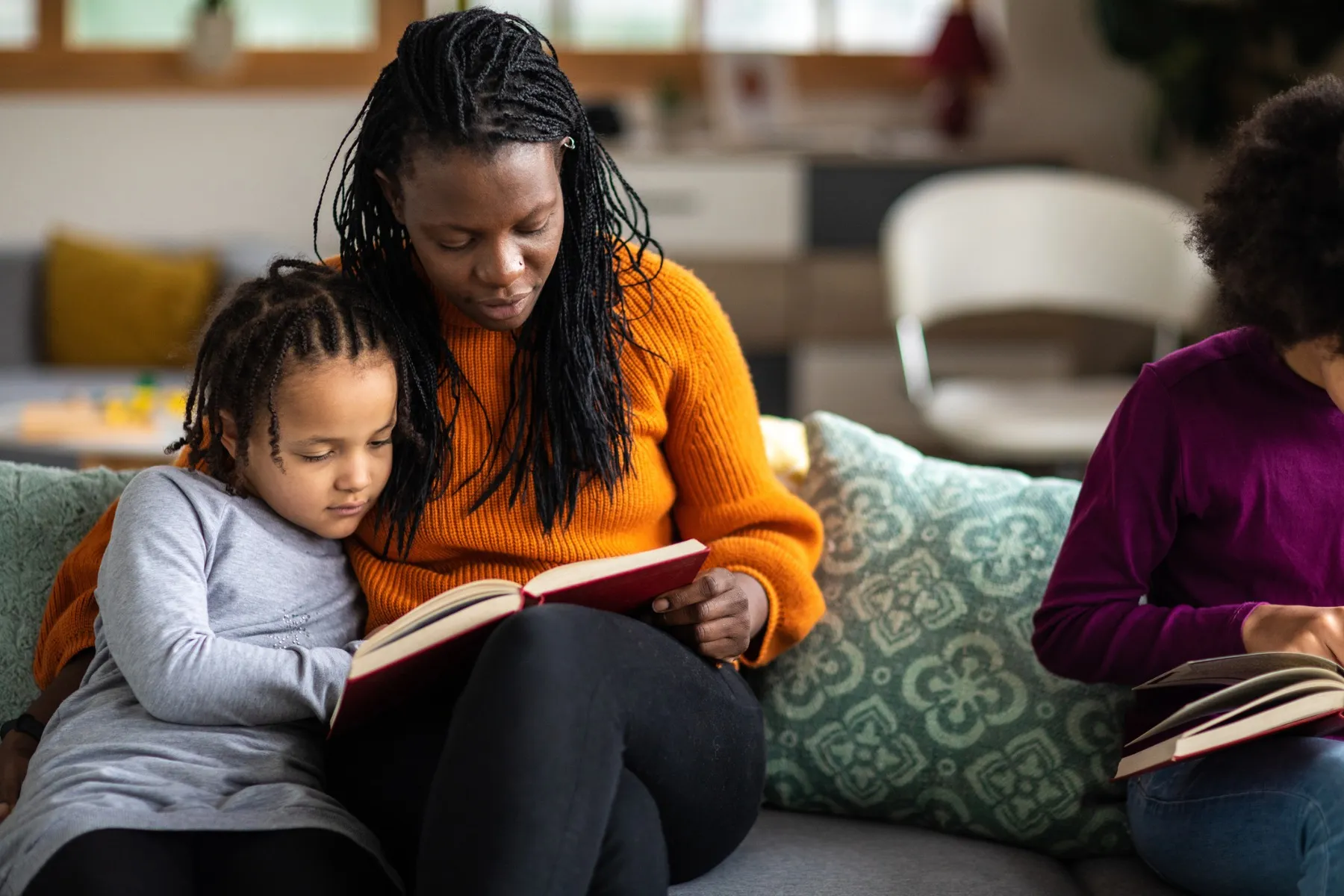
Confidence can influence how children participate in school, communicate with teachers and classmates, respond to challenges and approach new learning experiences.
A confident child is not necessarily the child who speaks the most or always knows the answer. Classroom confidence can also mean being willing to ask a question, attempt a difficult task, admit when something is not understood and try again after making a mistake.
Parents can play an important role in helping children develop these qualities.
Understand What Confidence Means for Your Child
Children show confidence in different ways.
Some children are naturally comfortable speaking in front of others. Others may be quieter but confident in their ability to work independently, solve problems or contribute in smaller groups.
Parents should avoid assuming that a quiet child lacks confidence.
Instead, pay attention to how the child behaves in different situations. Does the child avoid answering questions because of fear of being wrong? Are they reluctant to participate in group activities? Do they become discouraged easily when schoolwork is difficult?
Understanding the specific challenge makes it easier to provide appropriate support.
Encourage Children to Ask Questions
Asking questions is an important part of learning.
Some children may remain silent because they are afraid that their classmates will think their question is obvious or that the teacher may be disappointed.
Parents can help by explaining that not understanding something immediately is normal.
Encourage your child to ask for clarification when necessary and remind them that questions can help everyone learn.
Avoid Making Mistakes Feel Like Failure
Children need to understand that mistakes are part of learning.
When a child gives an incorrect answer, struggles with an assignment or receives a lower mark than expected, the experience does not have to become a judgment about their ability.
Instead of saying, "You are not good at this," parents can help the child ask:
What went wrong?
What can I try differently?
What part did I understand?
What do I need help with?
This approach encourages reflection rather than fear.
Praise Effort and Progress
Children benefit from encouragement, but praise should be specific.
Rather than only saying, "You are very smart," parents can recognise the effort or behaviour that contributed to improvement.
For example:
"You kept practising even though the work was difficult."
"You asked for help when you needed it."
"You prepared carefully for your presentation."
"You have improved compared with your last assignment."
Specific encouragement helps children understand which habits they can continue developing.
Give Children Opportunities to Make Decisions
Confidence can grow when children have age-appropriate opportunities to make choices and take responsibility.
Parents might allow a child to organise their school materials, choose which book to read, plan when to complete certain tasks or prepare what they need for the next school day.
The purpose is not to leave children without guidance. It is to gradually help them become comfortable making responsible decisions.
Encourage Participation Outside the Classroom
Activities beyond normal lessons can give children additional opportunities to develop confidence.
Reading, music, sports, creative activities, clubs, group projects and other interests can allow children to discover abilities they may not have recognised before.
Not every child will enjoy the same activity.
Parents can encourage exploration without turning every hobby into a competition.
Teach Children How to Prepare
Preparation can make unfamiliar situations less intimidating.
If a child has to give a presentation, participate in a debate or complete a class project, parents can help them practise at home.
A child preparing for a presentation might practise explaining the main points aloud.
The objective is not to make the presentation perfect. It is to help the child become familiar with what they want to say.
Avoid Constant Comparison
Comparing children with siblings, classmates or friends can undermine confidence.
A child may begin to believe that their value depends on performing better than someone else.
Instead, encourage children to compare their current progress with their previous efforts.
The more useful question is often:
"How can you improve from where you are now?"
rather than:
"Why are you not performing like that other child?"
Teach Children How to Handle Disappointment
Confidence does not mean that children will always succeed.
They will sometimes lose competitions, receive disappointing grades, struggle with friendships or fail to achieve something they wanted.
Parents can help children understand that disappointment is part of life.
Listening to the child, acknowledging their feelings and discussing what can be learned from the experience can help them recover and try again.
Communicate With Teachers
If a child consistently avoids participation, appears unusually anxious about schoolwork or has difficulty interacting with classmates, parents should consider discussing the situation with the school.
Teachers observe children in classroom situations that parents may not see at home.
A constructive conversation can help parents and teachers understand the child's experience and consider appropriate support.
Give Children Time to Grow
Confidence does not develop overnight.
A child who is quiet today may become more comfortable speaking as they gain experience. Another child may need more time and encouragement before participating in unfamiliar situations.
Parents should avoid turning confidence into another source of pressure.
The goal is to create opportunities for children to develop confidence naturally while knowing that mistakes and setbacks are part of learning.
Final Thoughts
Classroom confidence is not about being the loudest student, getting every answer right or always feeling comfortable.
It is about developing the willingness to participate, ask questions, attempt difficult tasks, communicate with others and continue learning after mistakes.
Parents can support this development through encouragement, realistic expectations, opportunities for responsibility and positive communication with the school.
When children understand that they do not have to be perfect to learn, they may become more willing to participate and take on new challenges.
At Supreme Reagan Schools, we believe education involves developing knowledge and character together. A supportive partnership between children, parents and teachers can help create an environment where learners have room to grow.